
Most people realise furniture matters only after living with the wrong piece for some time. At first everything looks fine. The sofa looks good in the room. The bed feels comfortable for the first few weeks. Then slowly, small things start bothering you. Your back feels stiff. You shift positions often. You stop using certain chairs altogether.
This is usually not about taste or style. It comes down to design. Furniture design quietly affects how the body feels day after day. When design supports the body properly, comfort becomes effortless. When it does not, discomfort slowly becomes part of daily life.
Long term comfort is not about softness alone. It depends on how furniture supports posture, how it fits your body, how it holds up over time, and how naturally it works in your home.
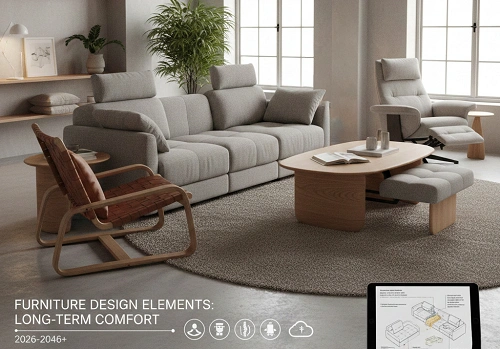
Why Design Choices Matter More Than We Think
Furniture is something we interact with constantly. We sit on it when we are tired, sleep on it when our bodies need rest, and lean on it without thinking. Even the way we arrange pieces around special areas, like a pooja mandir for home, affects how functional and comfortable the space feels. Because of this, even small design flaws become noticeable over time.
A chair that does not support your lower back may feel fine for short periods. After months, it becomes tiring. A mattress that lacks proper support may not cause pain immediately, but it slowly affects sleep quality. These issues build quietly.
Good furniture design respects the body. It does not force awkward positions. It supports natural movement. Over time, this makes a big difference in how comfortable a home feels.
Ergonomic Design and Everyday Ease
Ergonomics is not only for work chairs. It applies to sofas, beds, dining chairs, and even benches.
A well designed chair supports the back without being rigid. The seat depth allows you to sit fully without pressure behind the knees. Armrests are placed where arms can rest naturally instead of hanging or lifting.
Sofas benefit from the same thinking. When the backrest is too upright or too low, people constantly adjust their posture. Over time, this creates fatigue.
Beds also play a role. The right mattress and bed height make getting in and out easy. Proper support helps the spine stay aligned during sleep, which directly affects energy levels during the day.
When furniture supports posture correctly, the body relaxes instead of compensating.
How Poor Ergonomics Shows Up Over Time
Furniture that ignores ergonomics often feels uncomfortable only after long use. People may experience stiffness, sore shoulders, or back pain without immediately blaming furniture.
Over time, certain seats get avoided. People prefer sitting on the floor or leaning instead. These habits are signs that furniture is not doing its job.
Ergonomic furniture does not draw attention to itself. It simply feels right, even after hours of use.
Materials and Their Effect on Comfort
Materials decide how furniture feels today and how it feels years later.
Cushion quality matters more than softness. High density foam keeps its shape and support longer. Low quality cushions flatten over time, creating uneven seating and discomfort.
Upholstery affects temperature and comfort. Breathable fabrics feel better in daily use, especially in warm weather. Heavy synthetic fabrics can trap heat and feel uncomfortable during long sitting periods.
Wood quality affects stability. Strong frames remain firm over time. Weak joints or lightweight frames begin to creak or loosen, which affects both comfort and confidence.
Comfort improves when furniture feels solid and dependable.
Durability and Consistent Comfort
Furniture that wears out quickly stops being comfortable even if it started well. Sagging cushions, uneven beds, or wobbly chairs create constant irritation.
Durable furniture maintains its form. When support stays consistent, the body adapts comfortably. You do not need to constantly adjust or shift.
This consistency is what makes furniture truly comfortable in the long run.
The Importance of Proper Proportions
Furniture that is too large or too small creates discomfort in subtle ways.
Oversized furniture restricts movement and makes rooms feel tight. Undersized furniture may lack proper support or feel awkward to use.
Seat height affects comfort more than most people realise. Chairs that are too low strain the knees. Beds that are too high or too low affect ease of movement.
Proper proportions allow furniture to support the body without effort. Sitting down and standing up feel natural.
Matching Furniture to Space and Lifestyle
Furniture should suit the space it lives in. A large sofa in a small room may look impressive but quickly becomes inconvenient. A compact sofa with good support often feels more comfortable in daily use.
Lifestyle matters too. Adjustable beds, modular seating, flexible tables, and a dressing table adapt better to changing needs. Furniture that adapts reduces the need for replacements
Comfort improves when furniture fits both the room and the way people actually live.
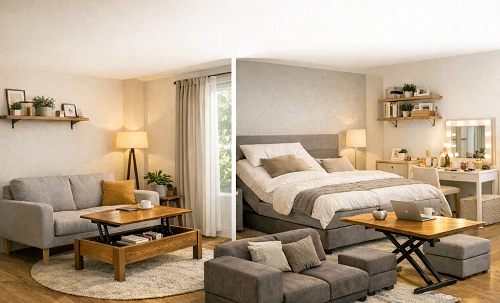
Multi Purpose Furniture and Long Term Use
Furniture that serves more than one function often works better over time.
Storage beds reduce clutter, making bedrooms calmer. Recliners allow posture changes without effort. Extendable tables adapt to everyday use and gatherings.
These pieces reduce overcrowding and keep rooms functional. Less clutter means easier movement and a more relaxed environment.
Adaptable furniture stays useful as needs change, which supports long term comfort.
Design Details That Affect Daily Life
Small details matter more than they seem. Rounded edges reduce accidental bumps. Stable joints prevent shifting and noise. Smooth finishes are easier to maintain.
Furniture that feels sturdy and thoughtfully made encourages relaxation. You trust it. You use it fully instead of cautiously.
Comfort improves when furniture feels reliable.
How Furniture Design Supports Mental Ease
Physical comfort affects mental comfort. When furniture supports the body properly, people feel more relaxed. Sleep improves. Focus improves. Daily routines feel lighter.
A home filled with comfortable furniture feels easier to live in. There is less irritation and less adjustment.
Good design supports both body and mind.
Final Thoughts
Long term comfort comes from thoughtful furniture design. Ergonomic support, strong materials, proper proportions, and adaptability all play a role.
Furniture that is designed well continues to feel comfortable long after the novelty fades. It supports daily life quietly and reliably.
Choosing furniture with care is not about trends or appearance alone. It is about creating a home that feels good to live in every single day.