
Choosing between plywood and solid wood is one of those decisions that looks simple at first—but quickly gets confusing. Both are widely used. Both can look great. And both have their own strengths and weaknesses.
At a glance, solid wood feels premium, natural, and long-lasting. Plywood feels practical, stable, and cost-effective. But once you start thinking about durability, moisture, cost, and maintenance, the gap becomes more clear.
There is no one perfect option here. Some people prefer the richness and strength of solid wood. Others choose plywood for its consistency and budget-friendly nature.
So instead of guessing, let’s break this down properly. By the end, you’ll have a clear idea of which material suits your needs—not just your assumptions.
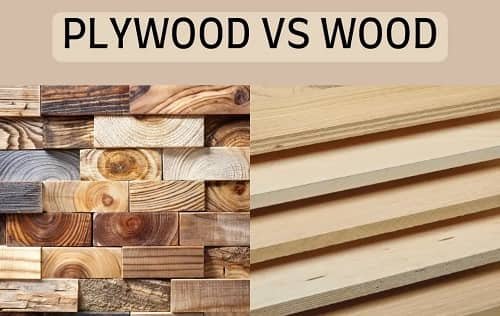
1. Material and Structure: The Basic Difference
This is where everything starts.
Solid wood is exactly what it sounds like—natural timber cut directly from trees. No layers, no engineering. Just one solid piece of wood.
Plywood is engineered. It is made by gluing together thin layers of wood (veneers) in cross directions. This layered structure gives it strength and stability.
Simple takeaway:
- Pure natural material → Solid wood
- Engineered layered material → Plywood
2. Strength and Durability
Both are strong—but in different ways.
Solid wood is very strong and can last for decades, even generations, if maintained properly. It handles heavy loads well and can be repaired or refinished multiple times.
Plywood is also strong, especially high-quality grades like BWP or marine plywood. Its layered structure makes it resistant to cracking and warping.
Simple takeaway:
- Long-term strength and lifespan → Solid wood
- Stable and crack-resistant → Plywood
3. Moisture and Weather Resistance
This is where plywood often performs better.
Solid wood reacts to moisture. It can expand, shrink, or even crack over time if exposed to humidity or water.
Plywood, especially waterproof grades, handles moisture much better. It is less likely to warp or swell.
Simple takeaway:
- Sensitive to moisture → Solid wood
- Better moisture resistance → Plywood
4. Appearance and Finish
This is where solid wood stands out.
Solid wood has a rich, natural grain that looks premium and unique. No two pieces are exactly the same. It gives a classic, timeless feel.
Plywood usually needs a finish like laminate or veneer to look good. On its own, it doesn’t have the same visual appeal.
Simple takeaway:
- Natural beauty and uniqueness → Solid wood
- Needs finishing for appearance → Plywood
5. Cost and Affordability
This is a major deciding factor.
Solid wood is expensive. The price depends on the type of wood, but overall, it is a premium option.
Plywood is much more affordable. It allows you to build furniture at a lower cost without compromising too much on strength.
Simple takeaway:
- Budget-friendly → Plywood
- Premium pricing → Solid wood
6. Maintenance and Care
Solid wood requires more care. It may need polishing, protection from moisture, and regular maintenance to keep it in good condition.
Plywood is easier to maintain. Once laminated or finished, it doesn’t need much upkeep.
Simple takeaway:
- High maintenance → Solid wood
- Low maintenance → Plywood
7. Workability and Usage
Plywood is easier to work with. It is uniform, easy to cut, and widely used for modular furniture and interior work.
Solid wood is heavier and requires skilled craftsmanship. It is often used for high-end furniture, doors, and decorative pieces.
Simple takeaway:
- Easy and flexible usage → Plywood
- Skilled craftsmanship needed → Solid wood
Final Verdict: Which One Should You Choose?
There’s no single winner—and that’s exactly how it should be.
Pros of Plywood:
- More affordable
- Better resistance to moisture
- Stable and less prone to cracking
- Easy to work with and maintain
Cons of Plywood:
- Less natural appearance
- Cannot be refinished like solid wood
- Quality depends on grade
Pros of Solid Wood:
- Natural, premium look
- Very strong and long-lasting
- Can be repaired and refinished
- Adds value to furniture
Cons of Solid Wood:
- Expensive
- Sensitive to moisture and weather
- Requires regular maintenance
- Can crack or warp over time
Choose plywood if:
- You want affordability and practicality
- You’re working on modular or interior furniture
- You prefer low maintenance
Choose solid wood if:
- You want premium, long-lasting furniture
- You value natural beauty and craftsmanship
- You’re ready to invest more
In the end, this choice is less about which material is “better” and more about what your furniture needs to handle. Some people want beauty that stands out. Others want practicality that lasts quietly.
Pick based on your use—not just the look.