
When it comes to wooden furniture, this is one comparison that almost everyone faces—sheesham wood or teak wood? Both are popular. Both are strong hardwoods. And both are widely used in Indian homes for beds, sofas, doors, and cabinets.
At first glance, teak wood feels like the premium king—expensive, long-lasting, and naturally resistant. Sheesham, on the other hand, looks stylish, strong, and more affordable. But once you go deeper, the choice becomes more practical than emotional.
Durability, cost, maintenance, appearance, and usage—all start to matter.
There is no single “better” option here. Some people invest in teak for lifetime durability. Others prefer sheesham for its value and design appeal.
So instead of guessing, let’s break this down properly. By the end, you’ll know which wood actually suits your home—not just your budget.
Top Products Comparison (Real Market Examples)
Oyashe Sheesham Wood Bed · ₹19,296.26
Affordable solid sheesham wood bed offering durability and modern design for bedrooms.
Rani Arts & Teak Teakwood Bed · ₹1,55,000
Premium solid teakwood bed known for long life, strength, and high-end finish.
Product Comparison Table
| Attribute | Sheesham Wood Bed
₹19,296.26•Flo Mattress |
Teak Wood Bed
₹1,55,000•Rani Arts & Teak |
| Wood Type | Indian Rosewood (Dalbergia sissoo) | Teak hardwood |
| Strength | Very strong | Extremely strong |
| Water Resistance | Moderate | Very high |
| Termite Resistance | Good | Excellent (natural oils) |
| Price | Affordable | Expensive |
| Maintenance | Moderate | Low |
| Lifespan | 20–30 years | 40+ years |
1. Strength and Durability
Both woods are strong—but teak still holds the top position.
Sheesham wood is a hardwood known for its durability and ability to handle heavy use. It can last decades without major issues.
Teak wood, however, is even more durable. It is denser and has natural oils that protect it from decay, making it ideal for long-term use—even in outdoor conditions.
Simple takeaway:
- Very strong and reliable → Sheesham wood
- Maximum durability → Teak wood
2. Water and Termite Resistance
This is where teak clearly wins.
Teak wood contains natural oils that make it highly resistant to water, moisture, and termites. That’s why it is used in boats, outdoor furniture, and high-end interiors.
Sheesham wood also has decent resistance to termites and humidity but not at the level of teak.
Simple takeaway:
- Good resistance → Sheesham wood
- Excellent natural protection → Teak wood
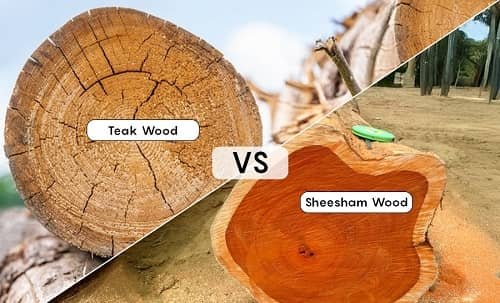
3. Appearance and Finish
This comes down to personal taste.
Sheesham wood has rich grain patterns with natural variations. Every piece looks slightly different, which gives a unique and stylish feel.
Teak wood has a smoother, more uniform grain with a golden-brown tone. It gives a clean, premium, and timeless look.
Simple takeaway:
- Bold, unique grain → Sheesham wood
- Smooth, premium finish → Teak wood
4. Cost and Affordability
This is where the biggest difference lies.
Sheesham wood is much more affordable. It gives solid wood furniture at a reasonable price, which is why it is widely used in Indian homes.
Teak wood is expensive. It is considered a luxury material, and prices can be significantly higher depending on quality.
Simple takeaway:
- Budget-friendly → Sheesham wood
- Premium pricing → Teak wood
5. Maintenance and Care
Teak wood is easier to maintain.
Because of its natural oils, teak doesn’t need frequent polishing or chemical treatment. It stays stable even in changing weather.
Sheesham wood requires occasional polishing and care to maintain its look and durability.
Simple takeaway:
- Low maintenance → Teak wood
- Moderate care needed → Sheesham wood
6. Lifespan and Long-Term Value
This is where teak stands out again.
Sheesham furniture can easily last 20–30 years with proper care.
Teak furniture can last 40–50 years or even more. It is often considered a long-term investment.
Simple takeaway:
- Long-lasting → Sheesham wood
- Lifetime-level durability → Teak wood
7. Best Use Cases
Sheesham wood is ideal for:
- Indoor furniture
- Beds, sofas, dining tables
- Budget-friendly homes
Teak wood is best for:
- Premium furniture
- Outdoor furniture
- Doors, windows, and long-term investments
Simple takeaway:
- Everyday home use → Sheesham wood
- High-end and heavy-duty use → Teak wood
Final Verdict: Which One Should You Choose?
There’s no single winner—and that’s exactly how it should be.
Pros of Sheesham Wood:
- Affordable and value for money
- Strong and durable
- Unique grain patterns
- Widely available
Cons of Sheesham Wood:
- Less water resistance than teak
- Needs regular maintenance
- Slightly shorter lifespan
Pros of Teak Wood:
- Extremely durable
- Natural resistance to water and termites
- Premium look and finish
- Very long lifespan
Cons of Teak Wood:
- Expensive
- Limited availability of high-quality teak
- Higher initial investment
Final Choice
Choose sheesham wood if:
- You want strong furniture at a reasonable price
- You prefer stylish, natural grain patterns
- You are furnishing a full home on a budget
Choose teak wood if:
- You want premium, long-lasting furniture
- You need resistance to water and termites
- You see furniture as a long-term investment
In the end, this choice is less about which wood is “better” and more about how you plan to use it. Some people want value and style today. Others want something that will still look strong 30 years later.
Pick based on your lifestyle—not just the price tag.