
Choosing the right wood is not just about appearance. It decides how strong your furniture will be, how it handles weather, and how long it lasts without trouble. And when it comes to hardwood choices, one comparison often comes up—Vengai wood or teak wood?
At first glance, teak feels like the obvious winner. It’s well-known, premium, and trusted for decades. Vengai wood, on the other hand, is less talked about but widely used in South India for strong and durable furniture.
But once you look closer, things are not so one-sided. Strength, cost, maintenance, and even usability start to shift the balance.
There is no perfect answer here. Some people go for teak for its reputation and finish. Others choose Vengai for its strength and value. It depends on what you actually need.
So instead of guessing, let’s break this down properly. By the end, you’ll know which one fits your work—not just your perception.
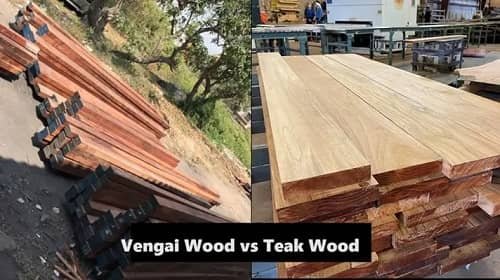
1. Strength and Durability: The Real Backbone
This is where Vengai wood makes a strong statement.
Vengai is a very hard and dense wood. It is known for its strength and load-bearing capacity, making it ideal for heavy furniture and structural use.
Teak wood is also strong, but slightly less dense compared to Vengai. However, it makes up for it with long-term durability and resistance to wear.
Simple takeaway:
- Maximum hardness and strength → Vengai wood
- Balanced strength with long life → Teak wood
2. Water and Termite Resistance
This is where teak clearly takes the lead.
Teak wood contains natural oils that make it highly resistant to water, moisture, and termites. It performs well even in humid climates and requires minimal chemical treatment.
Vengai wood is strong but does not have the same natural resistance. It needs proper polishing and treatment to protect against moisture and pests.
Simple takeaway:
- Natural resistance → Teak wood
- Needs treatment → Vengai wood
3. Appearance and Finish
Both woods have very different visual appeal.
Teak wood has a smooth grain and a golden-brown color that looks premium and elegant. It gives a classic, timeless finish.
Vengai wood has a darker tone with a more rugged grain pattern. It looks bold and traditional but may not feel as refined as teak.
Simple takeaway:
- Premium, elegant look → Teak wood
- Bold, strong appearance → Vengai wood
4. Cost and Affordability
This is where Vengai becomes attractive.
Teak wood is expensive. It is one of the most premium woods available, and the price reflects its demand and quality.
Vengai wood is more affordable while still offering high strength. It gives good value for money, especially for large furniture.
Simple takeaway:
- Budget-friendly strength → Vengai wood
- Premium pricing → Teak wood
5. Maintenance and Care
Teak wood is relatively low maintenance. Its natural oils help protect it, so it doesn’t need frequent treatment.
Vengai wood requires more care. Regular polishing and proper finishing are needed to maintain its durability and look.
Simple takeaway:
- Low maintenance → Teak wood
- Needs regular care → Vengai wood
6. Workability and Usage
Teak wood is easier to work with. It is smoother and more flexible for cutting, carving, and polishing.
Vengai wood is harder and tougher, which makes it slightly difficult to work with. Skilled labor is often required.
Simple takeaway:
- Easy to work and finish → Teak wood
- Harder to handle → Vengai wood
7. Best Use Cases
Vengai wood is ideal for:
- Heavy furniture
- Doors and frames
- Structural use
Teak wood is best for:
- Premium furniture
- Outdoor furniture
- Decorative and long-term pieces
Simple takeaway:
- Heavy-duty use → Vengai wood
- Premium and versatile use → Teak wood
Final Verdict: Which One Should You Choose?
There’s no single winner—and that’s exactly how it should be.
Pros of Vengai Wood:
- Very strong and dense
- More affordable than teak
- Ideal for heavy-duty furniture
- Good value for money
Cons of Vengai Wood:
- Needs treatment for moisture and termites
- Harder to work with
- Less refined appearance
- Requires more maintenance
Pros of Teak Wood:
- Naturally resistant to water and termites
- Premium look and smooth finish
- Long-lasting and reliable
- Low maintenance
Cons of Teak Wood:
- Expensive
- Slightly less dense than Vengai
- Limited availability of high-quality teak
- Higher initial investment
Choose Vengai wood if:
- You want maximum strength at a lower cost
- You’re building heavy furniture or structures
- You don’t mind regular maintenance
Choose teak wood if:
- You want premium quality and long life
- You prefer low maintenance
- You need resistance to water and pests
In the end, this choice is less about which wood is “better” and more about what your furniture needs to handle. Some people want strength above everything. Others want comfort, beauty, and ease.