
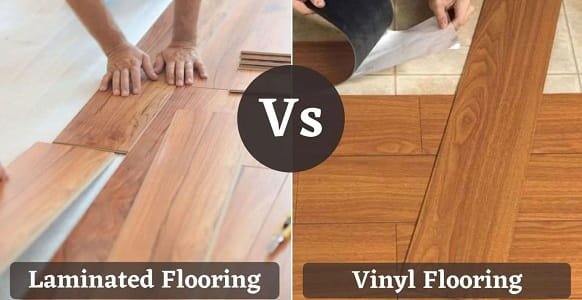
Choosing flooring is one of those decisions that changes how your home feels every day. It’s not just about looks—it’s about durability, comfort, water resistance, and long-term maintenance. And today, one comparison confuses most homeowners—vinyl wood flooring or laminate flooring?
At first glance, both look almost identical. Both can mimic real wood. Both are affordable alternatives to hardwood. But internally, they are completely different.
Vinyl is made from synthetic materials like PVC, while laminate is made from compressed wood fibers with a printed surface layer.
That one difference changes everything—especially when it comes to water resistance, durability, and usage.
So instead of guessing, let’s break this down clearly. By the end, you’ll know exactly which one suits your home—not just what looks good in the shop.
Top Real Examples (Market Products)
Oren Empower Vinyl Flooring Planks · ₹1,899
Waterproof self-adhesive vinyl planks designed for easy installation and modern wood look.
Pergo Living Expressions Laminate Flooring · ₹7,327 · 4.3
Premium laminate flooring offering realistic wood texture and durable surface finish.
Product Comparison Table
| Attribute | Vinyl Flooring Planks
₹1,899•Amazon.in |
Laminate Flooring
₹7,327•angiehomes.co |
| Material | PVC (synthetic) | Wood fiber core |
| Water Resistance | 100% waterproof | Water-resistant only |
| Durability | Very high | High |
| Comfort | Soft and flexible | Harder surface |
| Appearance | Good (modern designs) | More realistic wood look |
| Cost | Moderate | Moderate to slightly higher |
| Maintenance | Very easy | Easy |
| Lifespan | 15–25 years | 10–20 years |
1. Material and Structure: The Real Difference
This is where everything begins.
Vinyl flooring is fully synthetic, made from PVC layers with a protective wear layer on top. This makes it flexible and highly resistant to water.
Laminate flooring is made from compressed wood fibers (HDF) with a printed design layer and protective coating.
Simple takeaway:
- Plastic-based, flexible → Vinyl
- Wood-based, rigid → Laminate
2. Water Resistance: The Biggest Game Changer
This is where vinyl clearly wins.
Vinyl flooring is 100% waterproof, making it ideal for kitchens, bathrooms, and even basements.
Laminate flooring is only water-resistant. If water sits on it for too long, it can swell or get damaged.
Simple takeaway:
- Best for wet areas → Vinyl
- Only for dry areas → Laminate
3. Durability and Daily Use
Both are durable—but in different ways.
Vinyl flooring handles moisture, spills, and heavy traffic very well. It is designed for both homes and commercial use.
Laminate flooring is also strong and scratch-resistant but can get damaged by water and extreme humidity.
Simple takeaway:
- Better for rough use and moisture → Vinyl
- Good for normal indoor use → Laminate
4. Appearance and Realism
This is where laminate has an edge.
Laminate flooring usually looks more like real wood. It has deeper textures and more realistic grain patterns.
Vinyl flooring also mimics wood well, especially modern LVP (Luxury Vinyl Plank), but sometimes feels slightly artificial.
Simple takeaway:
- More realistic wood look → Laminate
- Stylish but slightly less natural → Vinyl
5. Comfort and Feel
This is something people notice after installation.
Vinyl flooring feels softer and slightly cushioned underfoot. It is quieter and more comfortable to walk on.
Laminate flooring is harder and can feel a bit colder. It may also produce more noise when walked on.
Simple takeaway:
- Softer and quieter → Vinyl
- Harder and louder → Laminate
6. Installation and Maintenance
Both are easy—but vinyl is easier.
Vinyl flooring often comes with peel-and-stick or click-lock systems, making installation quick and DIY-friendly.
Laminate flooring also uses click-lock systems but requires a proper subfloor and more careful installation.
Maintenance for both is simple—sweeping and mopping. But vinyl is easier to clean because it handles water better.
Simple takeaway:
- Easier installation and care → Vinyl
- Slightly more effort → Laminate
7. Cost and Value
Both are budget-friendly compared to hardwood.
Vinyl flooring is usually slightly cheaper, especially basic options.
Laminate flooring can be a bit more expensive, especially premium designs.
Simple takeaway:
- More affordable → Vinyl
- Slightly premium feel → Laminate
8. Lifespan and Long-Term Value
Vinyl flooring can last 15–25 years with proper care.
Laminate flooring typically lasts around 10–20 years, depending on quality.
However, neither can be refinished like real wood.
Simple takeaway:
- Longer lifespan → Vinyl
- Good but slightly shorter → Laminate
Final Verdict: Which One Should You Choose?
There’s no single winner—and that’s exactly how it should be.
Pros of Vinyl Flooring:
- 100% waterproof
- Durable and flexible
- Easy to install and maintain
- Comfortable underfoot
- Ideal for kitchens and bathrooms
Cons of Vinyl Flooring:
- Slightly less natural look
- Not very eco-friendly
- Can feel less premium
Pros of Laminate Flooring:
- More realistic wood appearance
- Hard and scratch-resistant
- Slightly more premium feel
- Good for living spaces
Cons of Laminate Flooring:
- Not waterproof
- Can swell with moisture
- Harder and noisier
Final Choice
Choose vinyl flooring if:
- You want waterproof flooring
- You are installing in kitchen or bathroom
- You want low maintenance and durability
Choose laminate flooring if:
- You want a more natural wood look
- You are installing in bedrooms or living rooms
- You prefer a slightly premium finish
Bottom Line
If you want practical performance, vinyl is the smarter choice.
If you want better looks and feel, laminate wins.
In the end, it’s not about which one is “better”—it’s about where you’re using it. A kitchen and a bedroom have very different needs.