
Dealing with oily skin often feels like a constant battle against the elements, especially in a climate like India’s. One moment you have finished your morning routine, and a few hours later, that unwanted shine has made an unwelcome appearance on your forehead and nose. It is a common struggle that leads many people to look for the most aggressive face wash for oily face they can find. The logic seems sound: if the face is oily, you should scrub it away with something strong.
However, the skin is a bit more complicated than a dirty dinner plate. If you strip away every bit of natural oil, your skin often panics. It senses that it is becoming dehydrated and, in a somewhat counterproductive move, starts producing even more oil to compensate. This cycle of over-cleansing and over-production is why so many people struggle to find a balance. At Cetaphil, the focus has always been on dermatological science that respects the skin’s natural barrier rather than fighting against it.
Understanding the “Oily” Dilemma
Oily skin is usually the result of overactive sebaceous glands. These glands produce sebum, which is actually a good thing in moderation because it keeps the skin waterproof and protected. But when it’s in overdrive, it leads to enlarged pores, blackheads, and that heavy feeling on the skin.
A common digression people take in their skincare journey is switching to soap-based cleansers that leave the skin feeling “squeaky clean.” That “squeak” is actually the sound of a damaged skin barrier. When the barrier is compromised, the skin becomes vulnerable to irritation and breakouts. A practical approach involves finding a formula that removes excess sebum and dirt but leaves the essential lipids intact.
Why Formulation Matters
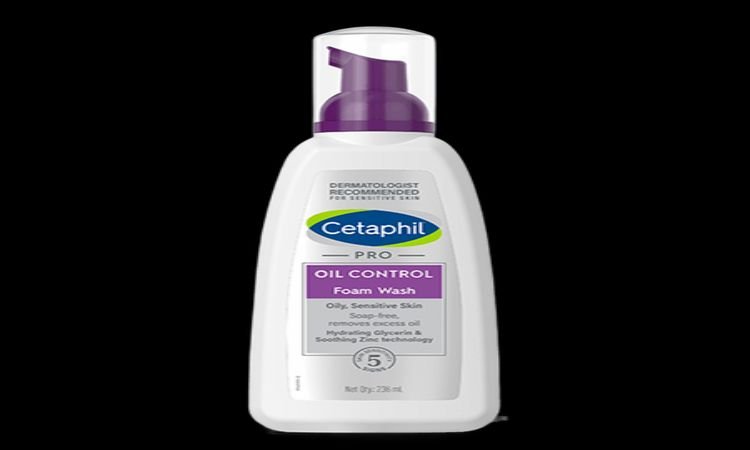
When searching for a face wash for oily face, the ingredient list tells the real story. In India, where humidity can make oiliness feel twice as heavy, you need ingredients that offer a deep clean without the harshness. Cetaphil’s Oily Skin Cleanser is often cited by experts because it uses a non-comedogenic formula. This is a technical way of saying it won’t clog your pores, which is the primary concern for anyone with an oily or combination skin type.
The science behind it involves a blend of Niacinamide (Vitamin B3), Panthenol (Pro-vitamin B5), and hydrating Glycerin. Niacinamide is particularly helpful for oily skin because it helps regulate oil production and improves the overall texture of the skin. Panthenol soothes any redness or irritation that often accompanies oily, acne-prone skin, while Glycerin ensures that moisture stays locked in. It is a steady, balanced approach to cleansing.
The Best Way to Wash
It isn’t just about the product; it is also about the technique. Many people tend to use hot water, thinking it dissolves oil better. In reality, lukewarm water is the best choice. It helps to loosen the dirt and oil without causing the capillaries to dilate or irritating the skin.
It is also worth noting that you don’t need to wash your face five times a day. Twice is usually the sweet spot: once in the morning to clear away the oils produced while you slept, and once at night to remove the grime, pollution, and sweat of the day. If you feel oily in between, using a light facial mist or blotting paper is a much better alternative than over-washing.
Common Myths About Oily Skin
There is a persistent myth that people with oily skin should skip moisturizer. It sounds logical—why add more moisture to a face that already feels wet? But as mentioned earlier, dehydrated skin is often the trigger for excess oil. Using a lightweight, oil-free moisturizer after using a face wash for oily face actually tells your skin that it is hydrated enough, which can help slow down sebum production over time.
Another misconception is that a face wash needs to foam excessively to be effective. While a little lather is satisfying and helps lift away impurities, a massive amount of bubbles usually indicates a high concentration of sulfates, which can be overly drying. A low-lather, pH-balanced cleanser is often much more effective at maintaining long-term skin health.