
Indian Coffee House, commonly known as Indian Coffee House or ICH, is neither a traditional government company nor a normal private corporate chain. It mainly operates as a cooperative organization managed by worker cooperative societies in different parts of India.
Because the cafés have a historic connection with government-era coffee boards and public institutions, many people get confused about whether Indian Coffee House is government or private.
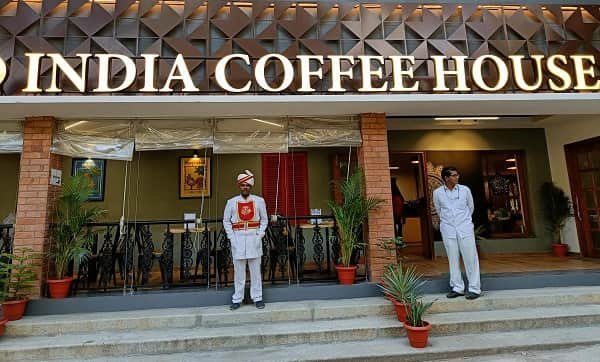
How Indian Coffee House Started
The Indian Coffee House movement began during the British era under the Coffee Board of India.
The first coffee houses were opened in the 1930s to promote coffee consumption in India.
Later, during the 1950s, the Coffee Board started closing some outlets because of financial difficulties. At that time, worker groups and employee cooperatives took over many of the cafés.
This led to the creation of the Indian Coffee House cooperative system.
Over time, Indian Coffee House became famous for its old-style interiors, affordable food, intellectual culture, and historic atmosphere.
Why Indian Coffee House is Not a Typical Government Organization
Indian Coffee House is not directly run by the Government of India today.
Although it originally had links with the Coffee Board, many outlets are now operated independently by cooperative societies formed by employees and workers.
Because of this structure:
- It is not a government department
- It is not a normal private corporate chain like modern café brands
- It mainly functions through cooperative management systems
Different branches may also be managed by different cooperative societies depending on the state or region.
What Makes Indian Coffee House Unique?
Indian Coffee House is famous for:
- Traditional café culture
- Affordable South Indian and Indian food
- Historic interiors
- Intellectual and literary gatherings
- Waiters wearing classic turbans and uniforms
- Old-style menu and atmosphere
Many writers, politicians, artists, students, and intellectuals have historically visited Indian Coffee House branches.
Indian Coffee House Structure and Identity
Here is a simple overview of Indian Coffee House:
| Feature | Indian Coffee House |
| Ownership Style | Cooperative society system |
| Type | Worker cooperative café chain |
| Origin | Coffee Board initiative |
| Main Sector | Food and café services |
| Management Style | Cooperative management |
| Government Ownership | No direct government control today |
| Famous For | Historic café culture |
| Presence | Multiple Indian cities |
This structure makes Indian Coffee House different from both government-run restaurants and private café corporations.
Is Indian Coffee House Private?
In practical terms, many branches operate independently and commercially like private establishments.
However, since the cafés are generally managed by cooperative societies rather than private corporate owners, they are not considered fully private chains in the usual business sense.
Why Indian Coffee House is So Famous
Indian Coffee House became iconic because of its cultural and historical importance.
The cafés are known for:
- Affordable meals and coffee
- Intellectual discussions
- Historic atmosphere
- Student-friendly environment
- Political and literary culture
In cities like Kolkata, Delhi, Bengaluru, Thiruvananthapuram, and Bhubaneswar, Indian Coffee House branches became important social and cultural spaces.
Are All Indian Coffee House Branches the Same?
No, different Indian Coffee House branches may differ in:
- Menu
- Management style
- Pricing
- Service quality
- Cooperative administration
This happens because many branches are operated by different cooperative societies rather than one central private corporation.
Does Indian Coffee House Compete With Private Café Chains?
Yes, Indian Coffee House competes with modern café brands and restaurants such as:
- Cafe Coffee Day
- Starbucks
- Local cafés and restaurant chains
However, Indian Coffee House has a very different identity focused more on tradition and affordability than modern café luxury culture.
Why People Still Love Indian Coffee House
Many people continue visiting Indian Coffee House because of:
- Nostalgic atmosphere
- Affordable food
- Traditional coffee-house culture
- Historical significance
- Calm and simple environment
For many customers, visiting Indian Coffee House feels more cultural than commercial.
Conclusion
Indian Coffee House is neither a direct government organization nor a typical private café chain. It mainly operates through worker cooperative societies that manage different branches independently.
With its historic legacy, affordable food, and classic café culture, Indian Coffee House continues to remain one of India’s most iconic restaurant and coffee-house institutions.