
Ever check the local price of silver and then go to your local jewellery market and wonder why it is different from yesterday? You could be in a local market in Gujarat. Still, those figures on the board are really responding to economic events happening thousands of miles away.
It looks local, but the silver in your hand has been around the world. Its price each day is the final link in a chain reaction that runs through international mining centres, the world’s stock exchanges and currency markets.
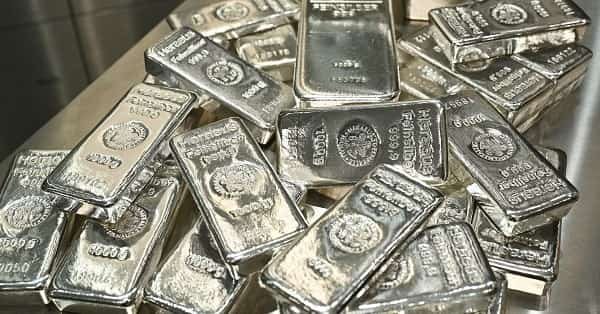
1. Supply and Industrial Demand: The World’s Starting Gate
Gold is mostly held in bank vaults or worn in jewellery, but silver wears two hats. It is an industrial worker, a valuable worker and a heavy worker. Academic research indicates that general economic activity and production growth have a direct impact on the precious metal markets. The modern technology industry uses a large part of the world’s silver supply. It’s all about receiving: photovoltaic panels, EV batteries, smartphones, printed circuit boards, and so on.
Global demand would surge if American or Chinese tech manufacturers increase output. Silver mining can not be increased overnight to meet sudden demand. So the price in the international market goes up.
2. Global Exchanges at Your Desktop
The world base price of silver is constantly set on world exchanges, mainly the London Bullion Market Association (LBMA) and the New York Commodity Exchange (COMEX). In this case, global traders trade and buy large contracts on silver with regard to global news, interest rate changes, and macroeconomic trends.
If you are tracking these moving numbers in real time, then online trading platforms allow you to track live commodity market feeds seamlessly. These platforms connect the intricate movements of the global market with the daily scrutiny that retailers conduct. A massive trade on a New York trading floor is immediately displayed on digital dashboards around the globe.
3. Currency Filter: US Dollar and Rupee
Silver is priced globally in US Dollars. So a global price has to go through a currency filter before it can affect your local neighbourhood shop.
It is confirmed that the main drivers of domestic precious metal prices are foreign exchange rates. But if the international price of silver remains the same and the Indian Rupee depreciates against the US Dollar, then the Indian distributors will have to pay more to import that silver. So the local rate will increase as the same dollar-priced commodity will be more expensive in rupees.
4. Duties and Taxes: Local Surcharges
When the physical silver gets to the Indian port, the local processes start determining its final cost. By the time it reaches the retail store, there are some particular expenses included in its total cost:
- Customs Duty: The standard import tax paid straight to the central government.
- Local Taxes: This primarily means the Goods and Services Tax (GST) applied to precious metals.
- Making Charges: What local artisans and jewellers charge to transform raw bullion into finished coins or jewellery.
Silver rates today can differ from last week due to the combination of global market changes, currency rates, and local duties.
5. Transportation Cost
Prices fluctuate across India based on simple logistics, like how much it costs to transport the metal or whether it’s the peak festival and wedding season.
For the most accurate silver price in Ahmedabad today or other cities, always look up the current price, which wraps in local municipal distribution fees alongside international market movements.
Conclusion
The next time you see a silver coin or a piece of jewellery, you are seeing something that relates to global green energy trends, international monetary trends, and the skills of the local artisans. The local exchange rate is not some random number from a local store; this is simple economics.