
When businesses invest in industrial equipment, air compressors are often among the most important purchases. But if you’ve ever compared screw compressor prices, you’ve probably noticed that costs can vary widely from one model to another. Some units seem surprisingly affordable, while others carry a much higher price tag.
A screw compressor is designed for continuous and efficient compressed air production, making it a preferred choice for factories, workshops, and manufacturing units. However, several factors influence how much you’ll actually pay for one.
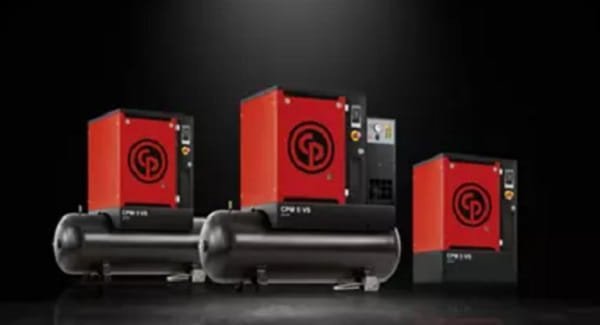
Compressor Capacity Matters
One of the main factors affecting price is the compressor’s output capacity. Machines designed to deliver higher airflow and pressure are generally more expensive because they are built for demanding industrial applications.
Energy Efficiency Impacts Long-Term Costs
Energy consumption is another major reason why screw compressor prices may differ. Compressors that are designed to use less electricity often come with advanced technology and better engineering, hence more costly. Although these models may cost more initially, they can help businesses save significantly on electricity bills over time.
Advanced Features Increase Pricing
Modern screw compressors now include several smart features that improve performance and convenience. Some systems are designed for quieter operation, while others include digital control panels, remote monitoring, or variable speed drives. These technologies help improve productivity and optimize energy use, but they also add to the overall equipment cost
Build Quality and Durability
The materials and internal components used in a compressor also affect pricing. High-quality machines are generally built to last for a long period of time and perform more reliably under heavy workloads.
Cheaper compressors may seem cost-effective at first, but with time, they can lead to frequent breakdowns, increased servicing, and higher repair costs. Investing in a durable machine often reduces downtime and improves operational efficiency over time.
Maintenance Requirements Play a Role
Maintenance costs are an important part of compressor ownership. Some compressors require more frequent servicing, filter replacements, and part changes than others. Machines designed for easier maintenance and longer service intervals may cost more upfront, but they can help reduce overall ownership expenses. Proper maintenance, clean air filters, and good ventilation also help improve compressor lifespan and efficiency.
Operating Environment Affects Equipment Choice
The environment in which the compressor operates can also influence pricing. Compressors used in hot, humid, or dusty locations may require additional cooling systems or protective features. These added protections help maintain stable performance and prevent overheating or damage in challenging conditions, but they can also increase the total investment cost.
Choosing Value Over Low Price
Many businesses focus only on the initial purchase price when buying a compressor. However, the cheapest option is not always the most economical in the long term. A reliable and energy-efficient compressor can reduce electricity usage, minimize downtime, and lower maintenance expenses. For most industrial users, long-term performance and reliability are more valuable than short-term savings.
Final Thoughts
Screw compressor pricing depends on several factors, including capacity, efficiency, features, durability, and operating conditions. Instead of selecting equipment based only on cost, businesses should evaluate overall performance and long-term operating expenses.
The right compressor investment can improve productivity, reduce operational interruptions, and deliver better efficiency for years to come.