
Choosing between engineered wood and solid wood is one of those decisions that quietly decides how your furniture will behave for years. It’s not just about looks. It’s about strength, durability, maintenance, cost, and how the material reacts to real-life conditions like heat, moisture, and daily use.
At first glance, solid wood feels like the obvious winner. It’s natural, strong, and has been used for centuries. Engineered wood, on the other hand, is modern—made in factories using wood fibers, veneers, or particles bonded together.
But once you go deeper, the choice becomes less obvious. Solid wood brings strength and long life, but also cost and maintenance. Engineered wood offers consistency and affordability, but with certain limits.
There is no single “better” option here. Some people want furniture that lasts decades. Others want practical, modern solutions that fit today’s lifestyle and budget.
So instead of jumping to a conclusion, let’s break this down clearly. By the end, you’ll know exactly which one suits your needs—not just what sounds premium.
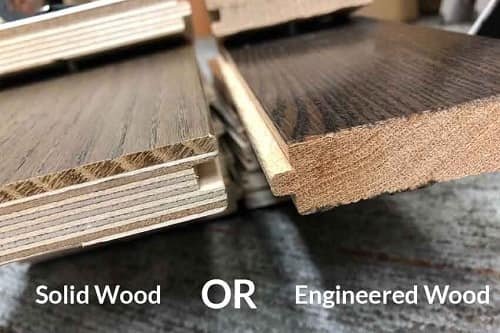
1. Material and Structure: The Core Difference
This is where everything begins.
Solid wood is cut directly from trees like teak, sheesham, or oak. It is a single, natural piece with real grain patterns and natural variations.
Engineered wood is manufactured. It includes materials like MDF, HDF, and particle board, often combined with veneers. These are made by compressing wood fibers or particles with adhesives under high pressure.
Simple takeaway:
- Natural, single-piece material → Solid wood
- Manufactured, layered or compressed boards → Engineered wood
2. Strength and Durability
This is where solid wood clearly stands ahead.
Solid wood is extremely strong and can last for decades—even generations—if maintained properly. It can handle heavy loads and rough use.
Engineered wood varies in strength. MDF and particle board are not as strong and may weaken over time, especially under heavy weight.
Simple takeaway:
- Maximum strength and lifespan → Solid wood
- Moderate strength (depends on type) → Engineered wood
3. Moisture and Weather Resistance
This is where engineered wood can sometimes perform better.
Solid wood reacts to moisture. It can expand, shrink, or crack depending on weather conditions.
Engineered wood is designed to be more stable. It resists warping and maintains its shape better in changing conditions. However, lower-grade boards can get damaged if exposed to water.
Simple takeaway:
- Stable in changing conditions → Engineered wood
- Sensitive to moisture → Solid wood
4. Appearance and Finish
This is where solid wood stands out.
Solid wood has natural grain patterns that look rich and unique. No two pieces are the same. It gives a premium, timeless look.
Engineered wood usually needs laminates or veneers to achieve a finished appearance. On its own, it doesn’t have the same natural beauty.
Simple takeaway:
- Natural beauty and uniqueness → Solid wood
- Needs finishing for look → Engineered wood
5. Cost and Affordability
This is one of the biggest deciding factors.
Solid wood is expensive. The price depends on the type of wood, but overall, it is considered a premium option.
Engineered wood is much more affordable. It allows you to create furniture at a lower cost without compromising too much on appearance.
Simple takeaway:
- Budget-friendly → Engineered wood
- Premium pricing → Solid wood
6. Maintenance and Care
Solid wood requires more care.
It needs polishing, protection from moisture, and regular maintenance to keep it in good condition.
Engineered wood is easier to maintain. Once laminated or finished, it requires minimal upkeep.
Simple takeaway:
- Low maintenance → Engineered wood
- Needs regular care → Solid wood
7. Workability and Design Flexibility
Engineered wood is easier to work with.
It is uniform, easy to cut, and ideal for modern designs and modular furniture.
Solid wood requires skilled craftsmanship. It is heavier and harder to shape but allows detailed carving and traditional designs.
Simple takeaway:
- Easy and flexible design → Engineered wood
- Skilled craftsmanship → Solid wood
8. Lifespan and Long-Term Value
Solid wood offers better long-term value.
It can last for decades and can be repaired, polished, or refinished multiple times.
Engineered wood has a shorter lifespan and cannot be repaired easily once damaged.
Simple takeaway:
- Long-term investment → Solid wood
- Short to medium lifespan → Engineered wood
9. Environmental Impact
This is an interesting point.
Engineered wood is often considered more eco-friendly because it uses wood waste and reduces the need for cutting large trees.
Solid wood depends on sourcing. If harvested sustainably, it can be eco-friendly, but uncontrolled use can impact forests.
Simple takeaway:
- Efficient use of resources → Engineered wood
- Depends on sourcing → Solid wood
10. Best Use Cases
Engineered wood is ideal for:
- Modular furniture
- Wardrobes and cabinets
- Budget-friendly interiors
- Office furniture
Solid wood is best for:
- Premium furniture
- Beds, dining tables, doors
- Long-term investment pieces
- Traditional designs
Simple takeaway:
- Modern, cost-effective interiors → Engineered wood
- Strong, long-lasting furniture → Solid wood
Final Verdict: Which One Should You Choose?
There’s no single winner—and that’s exactly how it should be.
Pros of Engineered Wood:
- Affordable and budget-friendly
- Stable and less prone to warping
- Easy to work with
- Low maintenance
Cons of Engineered Wood:
- Less durable
- Sensitive to water (especially lower grades)
- Shorter lifespan
- Cannot be repaired easily
Pros of Solid Wood:
- Very strong and durable
- Natural, premium look
- Long lifespan
- Can be repaired and refinished
Cons of Solid Wood:
- Expensive
- Requires maintenance
- Can react to moisture
- Heavy and harder to handle
Final Choice
Choose engineered wood if:
- You want affordable, modern furniture
- You prefer low maintenance
- You’re working on modular interiors
Choose solid wood if:
- You want long-lasting, premium furniture
- You value natural beauty and strength
- You’re ready to invest more
In the end, this choice is less about which material is “better” and more about how you plan to use it. Some people want furniture that lasts for decades. Others want practical solutions that fit today’s lifestyle.