
In today’s financial world, your credit score plays a crucial role in determining whether you qualify for a loan, credit card, or even better interest rates. Whether you are planning to apply for a home loan, car loan, personal loan, or a new credit card, your credit score becomes one of the first things lenders check.
The good news? You can check your credit score for free in India — easily and legally.
Let’s understand what a credit score is, why it matters, and how you can check it without paying any fee.
What Is a Credit Score?
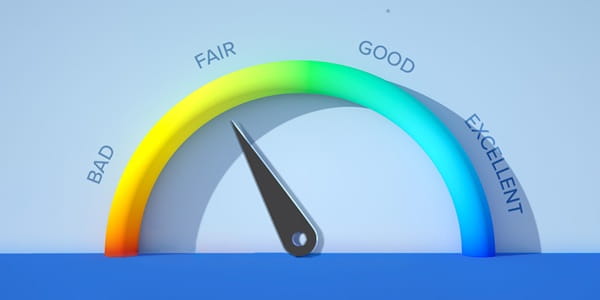
A credit score is a three-digit number that represents your creditworthiness. It usually ranges between 300 and 900.
- 750 and above – Excellent
- 700–749 – Good
- 650–699 – Average
- Below 650 – Needs improvement
The higher your score, the better your chances of loan approval at lower interest rates.
In India, credit scores are issued by credit bureaus approved by the Reserve Bank of India (RBI).
Major Credit Bureaus in India
There are four main credit bureaus in India:
- TransUnion CIBIL
- Experian
- Equifax
- CRIF High Mark
Each bureau calculates your score based on your loan repayment history, credit utilization, and other financial behavior.
Why Checking Your Credit Score Is Important
Before applying for any financial product, checking your credit score helps you:
- Know your eligibility
- Correct errors in your report
- Improve your score before applying
- Avoid loan rejection
Under RBI guidelines, every individual is entitled to at least one free credit report per year from each credit bureau.
How to Check Your Credit Score for Free in India
Here is a step-by-step guide:
Method 1: Check Directly on Credit Bureau Websites
You can visit the official website of any credit bureau and request your free credit report.
Steps:
- Visit the official website of TransUnion CIBIL, Experian, Equifax, or CRIF High Mark.
- Click on “Get Free Credit Report.”
- Register using your PAN card details.
- Enter personal information such as date of birth, address, and mobile number.
- Complete OTP verification.
- Answer security questions related to your loan history.
- Download your credit report.
This process is free once every year per bureau.
Method 2: Through Banks and Financial Apps
Many banks and fintech apps now offer free credit score checks to attract customers.
Some popular platforms include:
- Paisabazaar
- BankBazaar
- Paytm
You simply:
- Register using PAN and mobile number
- Complete OTP verification
- View your credit score instantly
These platforms usually fetch your score from CIBIL or Experian.
Documents Required
To check your credit score, you generally need:
- PAN Card (mandatory)
- Mobile number linked to PAN
- Basic personal details
No income proof or bank statement is required.
Is Checking Your Credit Score Safe?
Yes, if done through:
- Official bureau websites
- RBI-approved institutions
- Trusted financial platforms
Avoid sharing your PAN and OTP with unknown or suspicious websites.
Also, checking your own credit score is called a “soft inquiry” and does not reduce your score.
What Information Does Your Credit Report Contain?
Your credit report includes:
- Personal details
- Loan accounts (active and closed)
- Credit card usage
- Payment history
- Credit inquiries made by banks
- Defaults or late payments
Always review this carefully for errors.
How to Improve Your Credit Score
If your score is low, don’t panic. Here are ways to improve it:
- Pay EMIs and Credit Card Bills on Time
Payment history contributes heavily to your score.
- Maintain Low Credit Utilization
Use less than 30% of your credit limit.
- Avoid Multiple Loan Applications
Too many hard inquiries reduce your score.
- Clear Outstanding Dues
Settle overdue loans immediately.
- Keep Old Credit Accounts Active
A longer credit history improves your score.
How Often Should You Check Your Credit Score?
Experts recommend checking your credit score:
- At least once every 6 months
- Before applying for any major loan
- After closing a loan
Regular monitoring helps you detect fraud or errors early.
Common Mistakes to Avoid
- Ignoring small late payments
- Applying for too many credit cards
- Using full credit limit regularly
- Closing old credit cards unnecessarily
Small financial habits can significantly impact your credit score.
Difference Between Credit Score and Credit Report
Many people confuse the two.
- Credit Score: A 3-digit summary number.
- Credit Report: A detailed report of your credit history.
When you check your score for free, you usually receive the full report as well.
Final Thoughts
Your credit score is like your financial reputation. It affects your ability to get loans, credit cards, and even negotiate better interest rates. The best part is that you don’t need to pay any money to check it.
Thanks to RBI regulations and digital platforms, checking your credit score in India is simple, quick, and completely free at least once a year from each bureau.
Make it a habit to monitor your credit health regularly. A strong credit score not only improves your financial credibility but also gives you better opportunities for future financial growth.