
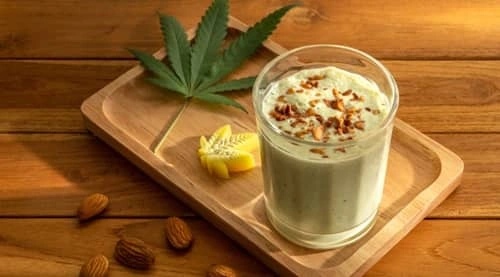
Bhang is a traditional drink produced from the leaves and seeds of the weed plant. It is usually crushed up and mixed into different types of drinks just like Milk, lassi or thandai, candies or other foods.
Bhang has a long history in Indian culture and religion. It is widely used in Indian festivals like Holi and Maha Shivratri, apart from this Bhang has been used in traditional Ayurvedic treatments.
The Law: What the Law Says
The NDPS Act, 1985 is the main law in India which mainly deals with drugs. As per the law, the resin which commonly known as Charas) and the flowering or fruiting tops (ganja) of the cannabis (weed) plant are illegal in India. However leaves and seeds which are used to make bhang are not illegal under the Act as long as they are not with the illegal parts.
Bhang is not a narcotic under central law because of this difference.
Why Bhang Is “Legal”
- As per the NDPS Act, it doesn’t include leaves in its definition, bhang is still technically lawful at the national level. Several court verdicts have backed this point of view. For example a 2022 decision by the Karnataka High Court made it crystal clear that bhang is neither an illegal substance nor drink under the NDPS Act.
But this is important: the law is not the same all over India. Because the Act lets states regulate or ban bhang under state excise or prohibition laws, the legal status of bhang can vary as per different states.
For example some states allow the sale of bhang through authorized stores, while others have regulations that make it illegal or restrict its use, like previous prohibition laws in some states.
Bhang, Charas, and Ganja are all different things.
It’s very important to know the difference between Bhang, Charas and Ganja in order to understand the law:
- The leaves and seeds of the cannabis (Weed) plant are used to make bhang.
- As per the NDPS Act, it does not contain leaves and seeds in its description of illegal cannabis, hence bhang is legal under federal law. But still States can however set rules about how it can be sold or used.
- The Flower & Fruit tips of the Weed plant from which ganja comes from.
- Because of these sections have more THC, Ganja is always violates the law under the NDPS Act.
- Charas is the resin which comes from the Weed Plant. It is usually manufactured by rubbing the flowers.
Charas has a significantly stronger effect and is against the law in India.
So, in short Bhang is lawful (Legal), while ganja and charas areIllegal in India.
What about Cultivation?
Even if Bhang may be legal in India but it is still against the law to cultivate weed in various places in India, even at home.
Indian law restricts cultivating any part of the weed plant, not simply the sections that the Act calls “cannabis (hemp).”
Conclusion:
In summary Bhang which comes from the leaves and seeds of the cannabis (weed) plant, is not a narcotic under national law and is therefore still legal in India.
But there are several important things to remember about this legality: rules vary from state to state, cultivating cannabis plants is generally not allowed and other cannabis products and still illegal in India.
Bhang has a special legal and cultural identity in India, specially when it comes to traditions, festivals and customs. But it doesn’t mean it is completely legal everywhere in India or that there are no rules for it’s cultivation & uses.