
Yes, in India DNA testing is legal and permissible by the government but there are some rules regarding how DNA tests can be done. Courts and medical laboratories have some rules about when the DNA tests can be ordered and in which way samples will be taken, whether results can be used in court.
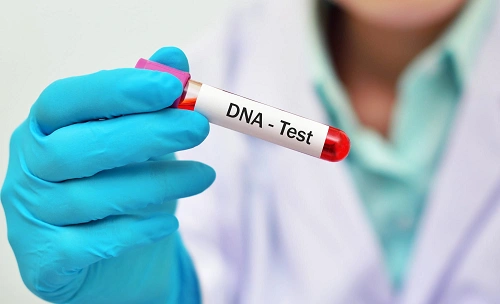
What kinds of DNA tests do people usually get?
People usually do the DNA tests to find out who is the biological father, in order to help with criminal investigations which is commonly known as forensic profiling, or to find any missing people or disaster victims. Medical and private labs offer “peace-of-mind” examinations, while legal and forensic tests have tougher rules.
Rules for consent, procedures and labs
For a private or voluntary test, the subject (or guardian) normally has to sign a consent form and produce ID. Labs keep chain-of-custody records so that authorities can accept the results later if they need to. For tests that are mandated by the court or for forensic purposes, only labs that have been specially accredited and standard collection techniques can be used to ensure reliability and admissibility. These methods are shaped by national guidelines and lab standards, as well as organizations like ICMR/NCDIR.
When will a judge let you take a DNA Test?
Just because someone asks, Indian courts don’t automatically allow DNA tests. The Evidence Act says in Section 112 that a child born in marriage is genuine. Courts have suggested that the DNA tests should only be ordered in some exceptional cases where there is clear evidence that conflicts with that presumption. As per the recent court decisions and High Court instructions make it clear that DNA orders must protect privacy and the child’s best interests. Courts do not accept routine or “fishing” DNA inquiries.
Criminal cases and investigations
Police and forensic labs use DNA profiling a lot to help them solve crimes. The state can legally gather samples for serious crimes. DNS tests must be done in licensed & government authorized forensic labs only and handled according to the rules. Recent court decisions have called for consistent DNA evidence protocols to safeguard both victims and the accused.
What are the laws that only apply to DNA databases?
India looked at a measure that would create guidelines for how to use, store, and delete DNA profiles. This bill is often termed the DNA Technology/Profiling measure. There were many arguments about the law but it had to be modified and put off. Certain elements of the bill were designed to preserve consent and privacy but there has been a lot of controversy about it because the DNA data is very sensitive.
If you want a DNA test in India, here are some useful advice.
- Please try to use such a testing facility, that has been authorized by the government as well as always make sure that you get a written authorization letter and proof of the sample chain.
- If the DNA test is done for the court use then get the legal guidance first. Courts may not accept tests that were ordered casually.
- Before going for the DNA for test always think about the privacy and how it can impact the child’s mental and physical health.
Conclusion:
In India DNA testing is legal and valuable. It’s legal to conduct voluntary tests with the proper consent and authorized laboratories. Courts and police may ask for testing in specific situations but Indian courts have repeatedly warned against frequent or unnecessary DNA test orders to protect privacy and integrity of the family. If you need a test for any legal reasons then make sure you go to a government authorized lab and receive a legal advice so that the results will be acknowledged and handled correctly.