
Compressed air is one of the most critical utilities in modern manufacturing. It powers tools, machinery, and automated systems across industries, quietly keeping production lines moving. Yet, despite its importance, compressed air is often underestimated as a cost center—largely because its true expenses are not immediately visible.
For many industrial buyers, decisions are still driven by upfront pricing. However, the real financial impact of compressed air systems is shaped over years of operation, through energy consumption, system design, and maintenance discipline. Taking a strategic view of these factors can help businesses significantly improve efficiency while curbing unnecessary operational spending.
This article explores the hidden cost drivers behind compressed air and highlights how manufacturers can shift from short-term savings to long-term value.
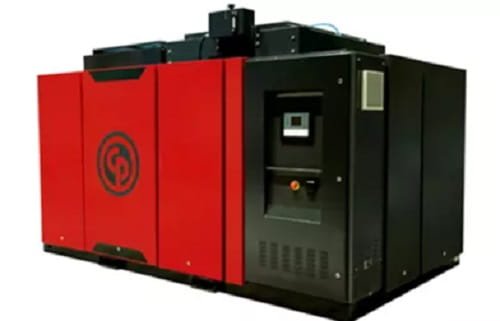
Understanding the True Cost of Compressed Air
The single largest contributor to compressed air expenses is electricity consumption, which dominates the lifetime cost of running a compressor system. While maintenance, servicing, and repairs also play an important role, they are often secondary to the ongoing energy required to keep systems running.
What makes this especially important is the fact that many energy losses are avoidable. With the right system design, operating practices, and technology choices, businesses can reduce inefficiencies without sacrificing performance or reliability.
Key Factors That Quietly Drain Your Budget
The Hidden Cost of Excess Pressure
Operating pressure has a direct and substantial impact on energy demand. Even small increases above actual application requirements can lead to noticeably higher power consumption.
Many facilities unknowingly run their compressed air systems at elevated pressure levels as a safety margin. In reality, this excess pressure adds no productivity benefit—it simply increases electricity bills and accelerates equipment wear. Optimizing pressure to match real demand is one of the most effective ways to achieve fast and sustainable savings.
The “Invisible” Cost of Air Leaks
Air leaks are among the most common—and most overlooked—sources of energy loss in industrial plants. In aging or poorly maintained systems, a significant portion of generated air can escape before reaching the point of use.
A compressor that continues running when production is idle is often a clear indicator of leakage. In these situations, businesses are paying for compressed air that delivers no output—only wasted energy and unnecessary heat.
Maintenance Gaps and Pressure Drops
Neglected maintenance creates resistance within the compressed air system. Clogged filters, worn components, and outdated piping result in pressure drops that force the compressor to work harder to maintain system stability.
Over time, this leads to rising energy demand, increased mechanical stress, and higher operating costs. What begins as minor neglect can gradually turn into a major financial inefficiency.
Strategies for Smarter, More Efficient Operation
Align Output with Demand Using Variable Speed Technology
Modern production environments rarely require constant air output. Demand fluctuates across shifts, processes, and operating conditions.
Variable Speed Drive (VSD) technology allows compressors to automatically adjust motor speed to match real-time air demand. Instead of running at full capacity regardless of usage, the system responds dynamically—resulting in major reductions in wasted energy and noticeably lower operating costs.
For facilities with variable or unpredictable air consumption, this technology can be transformative.
Turn Waste Heat into a Valuable Resource
Compressed air generation produces a large amount of heat as a byproduct. In many plants, this energy is simply released into the environment and lost.
With the right heat recovery systems in place, this thermal energy can be captured and reused—for applications such as water heating, space heating, or industrial processes. This approach transforms compressed air from a pure energy expense into an integrated part of a broader energy management strategy.
Build Efficiency into Piping and Infrastructure
Efficiency is not just about the compressor—it’s about the system as a whole.
Correctly sized piping, simplified layouts, and modern infrastructure reduce resistance and ensure that compressed air reaches the point of use with minimal losses. When combined with advanced oil-free or oil-injected compressor technologies, this approach ensures consistent air quality and reliable system performance.
Smart infrastructure decisions made early can prevent years of avoidable inefficiencies.
Monitor, Maintain, and Prevent
Proactive maintenance is one of the most cost-effective tools available to industrial operators. Regular leak detection, timely filter replacement, and continuous system monitoring help stabilize performance and extend equipment life.
Rather than reacting to failures, preventive maintenance allows businesses to control costs, plan service schedules, and avoid unexpected downtime.
Looking Beyond the Purchase Price: Total Cost of Ownership
Buying an air compressor is not a one-time expense—it is a long-term commitment. While the purchase price is the most visible cost, it represents only a fraction of what businesses will spend over the system’s lifetime.
The concept of Total Cost of Ownership (TCO) captures this reality. The majority of compressed air costs accumulate after installation, driven by energy use, maintenance requirements, and system efficiency.
A lower upfront price may seem attractive, but without energy-efficient design and modern controls, it can lead to disproportionately high operating expenses over time.
Making Compressed Air a Strategic Advantage
- Energy use is the dominant driver of compressed air costs
- Small operational improvements can deliver disproportionately large savings
- Investing in efficient technology protects long-term profitability
Ultimately, compressed air should not be viewed as a fixed utility expense, but as a system that can be optimized for performance, efficiency, and sustainability. By looking beyond the price tag and focusing on lifetime value, manufacturers can turn compressed air into a competitive asset—rather than a hidden drain on resources.