
Yes, Sweden is part of the European Union (EU). Sweden officially joined the European Union on January 1, 1995, along with Finland and Austria.
Today, Sweden is an active and influential member of the EU and participates in many European political, economic, environmental, and trade policies. However, Sweden also keeps some independent arrangements, which sometimes causes confusion among people about its exact relationship with the EU.
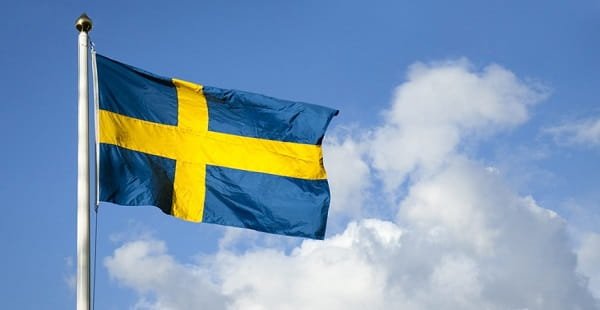
Where Is Sweden Located?
Sweden is a Scandinavian country located in Northern Europe.
It shares borders with:
- Norway
- Finland
Sweden is connected to Denmark through the famous Øresund Bridge.
The capital city of Sweden is Stockholm.
Sweden is known for:
- High quality of life
- Technology and innovation
- Forests and natural landscapes
- Welfare systems
- Environmental policies
What Is the European Union?
The European Union is a political and economic organization made up of European countries that cooperate on issues such as:
- Trade and economy
- Travel and borders
- Climate policies
- Laws and regulations
- Human rights
- Security cooperation
EU countries participate in a shared economic system called the single market, which allows easier movement of:
- Goods
- Services
- People
- Investments
When Did Sweden Join the EU?
Sweden joined the European Union in 1995.
Before joining, Sweden held a national referendum in 1994 where citizens voted on EU membership.
A majority supported joining the EU, and Sweden officially became a member the following year.
The decision came after the end of the Cold War and during a period when Sweden wanted deeper economic integration with Europe.
Why Did Sweden Join the EU?
There were several important reasons.
Economic Benefits
Sweden wanted greater access to European markets and trade opportunities.
EU membership helped Swedish businesses trade more easily with other European countries.
Political Cooperation
Joining the EU also allowed Sweden to participate more actively in European political decision-making.
European Integration
After the Cold War, many European countries strengthened cooperation, and Sweden chose to become part of that broader European integration process.
Does Sweden Use the Euro?
Interestingly, Sweden is part of the EU but does not use the Euro currency.
Instead, Sweden continues using the Swedish Krona.
Why Not the Euro?
In 2003, Sweden held another referendum where voters rejected adopting the Euro.
As a result:
- Sweden stayed outside the Eurozone
- The country kept control over its own currency and central bank policies
This sometimes creates confusion because many people assume all EU members use the Euro, which is not true.
Sweden and the Schengen Area
Sweden is part of the Schengen Area.
This means travelers can usually move between Sweden and many other European countries without passport border checks.
The Schengen system helps make travel easier across much of Europe.
Sweden’s Role in the EU Today
Sweden is considered an important EU member country.
It participates actively in discussions involving:
- Climate change
- Technology
- Trade policies
- Human rights
- Environmental sustainability
Sweden is often viewed as one of Europe’s strongest supporters of social welfare and environmental policies.
Sweden and NATO
For many years, Sweden remained militarily neutral and stayed outside NATO.
However, after rising security concerns in Europe, especially following the Russia-Ukraine war, Sweden officially joined NATO in 2024.
Even before joining NATO, Sweden had long cooperated closely with European and Western countries.
Economy and EU Membership
Sweden has one of Europe’s strongest economies.
Major Swedish industries include:
- Technology
- Manufacturing
- Automotive companies
- Telecommunications
- Green energy
EU membership supports Sweden through:
- Free trade access
- Investment opportunities
- Labor mobility
- Economic cooperation
Sweden’s Independent Policies
Even as an EU member, Sweden maintains independent positions on some issues.
For example:
- It keeps its own currency
- It manages certain national welfare and taxation policies independently
This shows that EU members still retain significant national sovereignty.
Why Do Some People Get Confused?
The confusion usually happens because Sweden:
- Does not use the Euro
- Long remained outside NATO
- Maintains strong independent policies despite EU membership
However, none of these factors change the fact that Sweden is a full EU member state.
Finally
So, yes, Sweden is part of the European Union. It joined the EU in 1995 and actively participates in European political and economic cooperation. Although Sweden keeps its own currency instead of adopting the Euro, it remains a full and influential member of the European Union today.