
No, Laggan is not based on a real story. Set in the year 1893 during the peak of British colonial rule, Lagaan is among the landmark period drama films in the Hindi film industry. Released in June 2001, Lagaan stars actor Aamir Khan and actress Gracy Singh in lead roles. The film is written and directed by Ashutosh Gowariker.
Lagaan is a fictional story. The plot revolves around a cricket match played between Indian villagers and British army officers in the year 1893. However, in 1893, cricket was played by elites and trained players, not villagers. However, the oppression of Indians by the British colonial occupiers has been perfectly depicted in the movie.
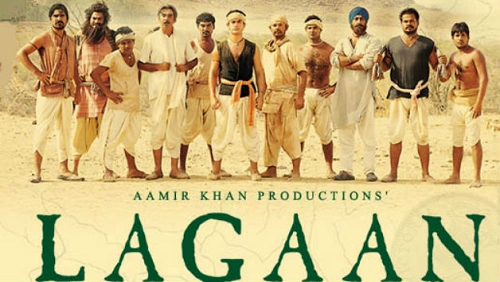
Plot Summary
The plot is set in the year 1993 during the British colonial rule, in the drought-stricken village of Champaner. Despite the drought, an arrogant British military officer, Captain Russell, doubles the tax or Lagaan, pushing the villagers to desperation. When the villagers visit the local king for relief, the latter is busy watching a cricket match.
When a young and spirited villager named Bhuvan mocks cricket as a childish game, Captain Russell challenges Bhuvan to form a team and defeat the British in a cricket match. Russell promises a tax waiver for the entire province for a period of three years, should the villagers win. However, in the event of the villagers losing the match, they would be required to pay triple tax or Lagaan. Bhuvan accepts the challenge.
Despite stiff opposition from his fellow villagers, Bhuvan manages to recruit a diverse team from the village, including people from different castes and religions. Russell’s sympathetic sister, Elizabeth, secretly teaches cricket to the villagers.
The climax is a three-day cricket match, full of drama, cheating attempts by the British and comebacks. Finally, Bhuvan hits the winning shot to secure a tax waiver for three years, while Russell is transferred to North Africa.
Historical Context and Inspirations
Lagaan draws from real historical events, such as oppressive British colonial taxes on Indian farmers and the droughts that exacerbated poverty. It was partly inspired by older Indian films like the 1957-release Naya Daur, a sports drama about villagers against modern challenges.
The movie has been compared to Mohun Bagan’s famous victory over British Army’s East Yorkshire Regiment in a football match in the year 1911. However, that was a football match played by trained Indian players and was not related to taxes.