
Progress often hides a lot of quiet, behind-the-scenes work, especially where nonprofits step in because governments or businesses can’t reach. These organisations aren’t driven by profit; they are driven by a mission, but they still need steady funding to keep going. As we face bigger challenges like climate change and growing inequality in 2026, the weight of our support becomes even more important. A single instance of donations today might feel like a small gesture, but over time, it helps build the very foundation that keeps communities standing. Understanding why these donations are so vital for social change means looking past the immediate gift to see the long-term, life-changing impact they have on the world.
Seeing why these acts matter requires shifting focus from the momentary transfer toward lasting shifts they help create far away.
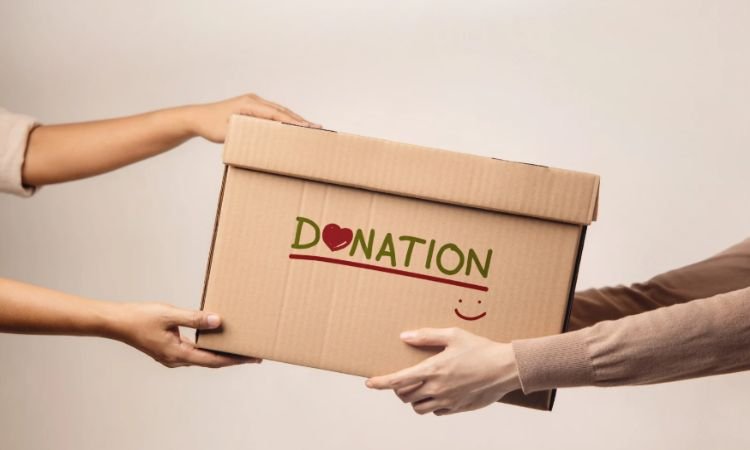
1. Bridging the Gap in Essential Services
Across the world, neighbourhoods on society’s edges occupy spaces where fundamental systems lie broken or absent. Where roads falter or clinics vanish, humanitarian groups tend to assume central roles delivering care, potable water, sanitation, and learning opportunities for children. Still, such efforts demand large investments; tools must be acquired, trained individuals hired, and supply networks maintained through complex coordination. Sustained funding ensures that programmes for child education can expand beyond temporary classrooms to provide long-term teacher training and digital learning resources for students in need.
When money flows without interruption, group behaviour changes. Rather than reacting, teams begin planning beyond immediate needs. One gift might provide a meal now; however, repeated backing allows time to build stronger answers. Consider food initiatives: short-term aid passes out meals, but lasting funds raise buildings. From there, teaching kitchen skills emerges, followed by structures meant to endure. Lasting change appears when money arrives without interruption. Predictable income turns short efforts into lasting frameworks.
2. Supporting Voices and Changing Rules
Change within society goes beyond helping individuals. It targets the rules and shared beliefs allowing unfair conditions. Called advocacy, this effort tends to be hard for nonprofits to support financially. Restrictions shape what groups can do legally.
A donor acting independently offers financial support without conditions. Such freedom enables advocacy groups to act where needs arise:
- Conduct Research: Gathering data to prove the existence of social injustices.
- Proceeding Legally: Contesting biased statutes through judicial review.
- Building Awareness: Understanding grows when efforts reach communities through focused messaging on matters such as environmental shifts or fairness between genders.
3. Fostering Innovation and Scalability
Caution tends to guide government spending, especially when it comes to untested approaches. From small towns to remote regions, fresh ideas take shape through their work. Investment by non-public entities acts similarly to seed financing, though directed at community benefit.
Approaches trialled in limited settings have the potential to alter major frameworks, influencing many individuals gradually. Trust forms slowly under such conditions. Community efforts gain strength when residents believe initiatives reflect shared values.
4. The Mindset Shifts That Come With Generosity
Change in society brings value beyond those who receive help. Giving shapes awareness of worldwide belonging, along with mutual duty. Through contribution, one links to purposes exceeding personal scope; this builds influence amid complexity. Recognition that support alters another’s future strengthens compassion and unity. Such bonds form essential elements within balanced communities.
People Working Together
Hope often sparks movement inside groups, especially where difficulties run long. Where problems live in systems, passed down years, shifts usually appear faint at first, built not in leaps but steps, one choice after another, held steady over time. Assistance given to reliable groups does more than move money; it weaves into structures meant to endure, formed carefully around balance and dignity, since honesty holds weight.
History shows that long-term change often rests on steady backing from individuals committed to a purpose. When you choose to make donations, you are providing the vital resources needed to protect children’s rights and ensure a brighter, more equitable future for all. If you are looking to connect to an organisation, CRY India is a reliable organisation to start with.